


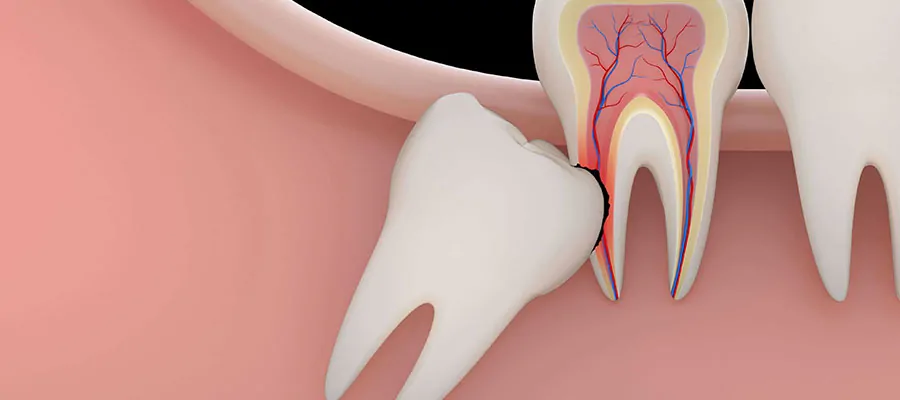
What is a dental lesion?
Dental Lesion; Considering the problems that occur in the teeth, one of the most common conditions is dental lesion. In medical terminology, lesion is the general name given to diseased tissue damaged after any disease or trauma in a living organism.
Tooth lesions are inflammatory sacs formed by microorganisms in the roots of the teeth. Dental lesion may also be called cysts. This situation may cause anxiety, but with the right treatment, his process can be solved without any problems.
These lesions can be acute or chronic. When they are acute, they cause complaints such as pain, puffiness, heat sensitivity in people. When it is chronic, it can remain unseen and without symptoms for years.
Types of Dental Lesions
Dental lesions is a broad term for abnormal changes affecting teeth, gums, jawbone, or the tissues around them. Some are minor and reversible, while others need professional treatment to prevent infection, bone damage, or complications.
- Caries lesions (tooth decay): early white-spot lesions or deeper cavities
- Periapical lesions: around the tooth root, often linked to nerve infection
- Periodontal lesions: affecting gums and supporting bone
- Traumatic lesions: caused by cracks, fractures, or bite trauma
- Cysts: fluid-filled sacs that can expand in the jawbone
- Benign tumors/lesions: slow-growing tissue or bone changes
- Mucosal lesions: sores or abnormal patches on the soft tissues (cheeks, tongue, gums)
What Causes Dental Lesions?
Dental lesions can develop for different reasons depending on the tissue involved. On teeth, the most common cause is acid produced by bacteria feeding on sugars, which gradually weakens enamel and dentin. When lesions are in the bone or around the root, they may come from long-standing nerve infection, failed root canal treatment, or untreated deep decay that spreads beyond the tooth.
Other causes include gum disease (which damages the bone and soft tissues), trauma (cracks that allow bacteria to enter), poorly fitting restorations that trap plaque, and immune-related or inflammatory conditions affecting the oral lining. In some cases, developmental factors, impacted teeth, or jaw growth patterns can also contribute to cyst-like lesions forming in the bone.
Signs and Symptoms of Dental Lesions
Some dental lesions cause obvious symptoms, while others stay silent and are only found on routine check-ups. Early detection matters because many lesions become more complex once infection or bone loss starts.
- Tooth sensitivity to cold, hot, or sweet foods
- Pain when biting or chewing pressure
- A visible spot, hole, or discoloration on the tooth
- Swelling of the gum or a pimple-like “gum boil” near a tooth
- Bad taste or persistent bad breath
- Bleeding gums, gum tenderness, or gum recession
- Jaw swelling or a feeling of fullness in the bone (more common with cysts)
- Loose tooth or shifting bite in advanced cases
How Are Dental Lesions Diagnosed in Turkey?
Diagnosis typically starts with a detailed clinical exam, where the dentist checks the tooth surface, gums, bite, and any swelling, drainage, or suspicious tissue changes. They also evaluate symptoms—such as sensitivity patterns, pain triggers, and whether discomfort is localized or spreading. This helps determine whether the lesion is more likely to be decay-related, nerve-related, gum-related, or something within the jawbone.
Imaging plays a major role, especially for hidden or bone-related lesions. Many clinics in Turkey use digital X-rays to detect decay between teeth and changes around roots. For complex cases—like cyst suspicion, impacted teeth, unclear root anatomy, or lesions close to nerves or sinuses—3D imaging (CBCT) may be recommended to map the exact size and position before deciding on treatment.
Are Dental Lesions Serious?
Some dental lesions are mild and manageable—like early enamel lesions that can be stabilized with fluoride and improved hygiene. However, lesions can become serious when they progress into deeper tooth layers, reach the nerve, or spread into the jawbone. At that stage, treatment becomes more involved, and delaying care increases the risk of infection, abscess formation, and tooth loss.
Bone-related lesions, such as cysts or long-standing periapical infections, can quietly expand and damage surrounding bone or affect neighboring teeth. Even if pain is minimal, the lesion may still be growing. That’s why “no pain” does not always mean “no problem,” and imaging plus professional evaluation is important for safe decision-making.
When Is Surgical Removal Necessary?
Surgical removal is usually considered when the lesion cannot be predictably treated with conservative dental procedures alone. For example, if a cyst is expanding in the jaw, if a lesion persists despite root canal treatment, or if there is a suspicious growth that needs definitive diagnosis and elimination, surgery may be recommended to protect nearby teeth and bone.
Surgery may also be needed when the lesion is linked to an impacted tooth, when it’s large enough to weaken the jawbone, or when the dentist needs a tissue sample to confirm exactly what the lesion is. The surgical plan depends on size, location, proximity to nerves/sinuses, and whether the goal is complete removal, drainage, or biopsy-guided management.
Dental Cyst vs Dental Lesion: What’s the Difference?
A dental lesion is a general term that describes any abnormal area in the tooth, gums, or jawbone. It can be caused by many things—decay, infection, trauma, inflammation, or growth changes. Some lesions are reversible or treatable with simple procedures, while others require more complex care. In short, “lesion” describes a finding, not a single diagnosis.
A dental cyst is a specific type of lesion—typically a fluid-filled sac that forms in the jawbone or around a tooth, often associated with infection or impacted teeth. Cysts can slowly enlarge over time and may push against nearby teeth or reduce bone volume. Not every lesion is a cyst, and not every cyst is painful, which is why imaging and proper diagnosis are essential before deciding on treatment.
Recovery After Dental Lesion Surgery
Recovery depends on the lesion type, its location (soft tissue vs jawbone), and whether the procedure involved removal, drainage, or biopsy. Most people feel noticeably better day by day, with the first 2–3 days usually being the most intense for swelling and tenderness.
- Mild oozing in the first 24 hours can be normal; heavy or persistent bleeding is not
- Swelling often peaks around 48–72 hours, then gradually improves
- Stick to soft foods early on and chew away from the surgical side
- Keep the area clean, but avoid forceful rinsing for the first 24 hours
- Take medications exactly as prescribed (pain relief, antiseptic rinse, antibiotics only if indicated)
- Avoid smoking/vaping, alcohol, and intense exercise during early healing
- Seek urgent review if pain suddenly worsens after day 2–3, fever appears, swelling increases, pus/drainage develops, or numbness persists unexpectedly
How Long Does Treatment Take in Turkey?
Treatment time varies because “dental lesion” can describe very different conditions—from a small mucosal lesion to a jaw cyst or a root-related lesion. Many clinics can complete diagnostics (exam + imaging) in the first visit and schedule treatment quickly, sometimes within 1–3 days depending on complexity.
If biopsy is needed, the procedure may be done promptly, but you may need to allow time for pathology processing and a review appointment. For larger jaw lesions, clinics often recommend at least one follow-up check after surgery to confirm healing and reduce the chance of complications before you travel.
What Happens If a Dental Lesion Is Left Untreated?
An untreated lesion may enlarge or progress even if it is painless today. Tooth-related lesions can deepen into the nerve, leading to infection, abscess formation, and potential bone involvement—turning a simpler procedure into a more complex one (root canal treatment, surgery, or tooth loss).
Jaw lesions (such as cysts) can slowly expand, damage surrounding bone, affect neighboring teeth, and sometimes create facial swelling or drainage later. Early evaluation is important because many lesions are easier to treat and less likely to recur when managed at an earlier stage.
Can Dental Lesions Come Back?
Yes, recurrence is possible, but it depends on the lesion type and whether the underlying cause was fully addressed. Lesions linked to persistent infection (for example, ongoing root infection), untreated gum disease, or repeated trauma can return if the source remains.
Recurrence risk is usually reduced by accurate diagnosis, complete removal when required, and proper follow-up. If biopsy was performed, the pathology result helps guide the correct monitoring plan, because follow-up needs differ between inflammatory lesions, cysts, and other tissue changes.
How to Prevent Oral Lesions
Prevention is mainly about reducing infection, irritation, and the factors that allow lesions to form or progress.
- Brush twice daily and clean between teeth to reduce plaque buildup
- Get regular dental check-ups so hidden problems are found early
- Treat cavities and gum inflammation early rather than waiting for pain
- Avoid tobacco products and limit alcohol (both increase irritation and risk)
- Manage grinding/clenching with a night guard if needed
- Use a sports mouthguard to reduce injury-related lesions
- Fix sharp/broken teeth or rough restorations that repeatedly rub soft tissue
- Keep systemic conditions well controlled (especially diabetes) to support healing
When Should You See a Specialist?
You should see a specialist if the lesion is large, persistent, recurrent, or located close to sensitive structures (nerves, sinuses, deeper jaw areas). Concerning signs include increasing swelling, drainage/pus, persistent numbness or tingling, unexplained bleeding, or a sore/patch that does not heal in about two weeks.
The right specialist depends on the suspected cause: an endodontist for root-related lesions, a periodontist for gum/supporting bone issues, and an oral and maxillofacial surgeon for jaw cysts, impacted-tooth lesions, surgical removal, or biopsy. Seeing the appropriate specialist early often shortens the overall process and lowers complication risk.
Dental Lesion Turkey Cost 2026
Costs in 2026 vary widely because the final price depends on what the lesion is and what is required (imaging, biopsy, surgical removal, sedation, and any related dental treatment). As a practical average range, you can expect about $150–$900 for many common lesion-related pathways (from minor soft-tissue removal to surgical management), with complex jaw cases or added services increasing the total.
For more specific reference points reported by pricing platforms: dental cyst removal in Istanbul is commonly listed around $118–$290 (average about $204), and biopsy in Turkey is often listed around $250–$350 (average about $300). CBCT/3D imaging fees can be separate in some places and bundled/discounted in others, and published ranges vary by provider.
Frequently Asked Questions
Is a dental lesion the same as an abscess?
No. A dental lesion is a general term for an abnormal area in the tooth, gum, or jawbone, while an abscess is a specific type of infection with pus that often causes swelling and significant pain.
Are all dental lesions painful?
No. Many lesions are painless at first and are only found during an exam or on X-rays, especially when they are in the jawbone or early-stage.
Can a dental lesion heal without treatment?
Rarely. Some very early enamel changes may stabilize with strong prevention, but most lesions (especially deep decay, root-related lesions, cysts, or soft-tissue lesions) need professional treatment to prevent progression.
Is biopsy always required for diagnosis?
No. Biopsy is usually recommended only when the lesion looks suspicious, persists, grows, or cannot be clearly identified with exam and imaging.
How many days do I need to stay in Turkey for treatment?
Many cases can be managed in 1–3 days (diagnosis + treatment). If surgery and follow-up are needed, planning 3–5 days is often more comfortable, and biopsy results may require additional time depending on the clinic’s process.
Is dental lesion treatment in Turkey safe?
Yes—when done in reputable clinics by licensed dentists/surgeons using proper imaging, sterilization, and clear treatment planning.
What are the risks of lesion removal surgery?
Common risks include swelling, bleeding, temporary pain, infection, and delayed healing. Less common risks depend on location and may include nerve irritation (tingling/numbness) or sinus-related issues in upper jaw cases.
Can children develop dental lesions?
Yes. Children can develop lesions from cavities, trauma, developmental enamel issues, or infections, so routine check-ups are important even if there’s no pain.
Will removing a lesion damage surrounding teeth?
Usually no, especially with good imaging and careful technique. However, large lesions close to roots or nerves may require more complex surgery, and nearby teeth sometimes need additional treatment if they are involved.
How much does dental lesion treatment cost in Turkey?
It depends on the lesion type and treatment needed. As an average guide, many cases fall around $150–$900, while biopsy or complex jaw surgery can increase the total.
instagram: ideadentalclinic