


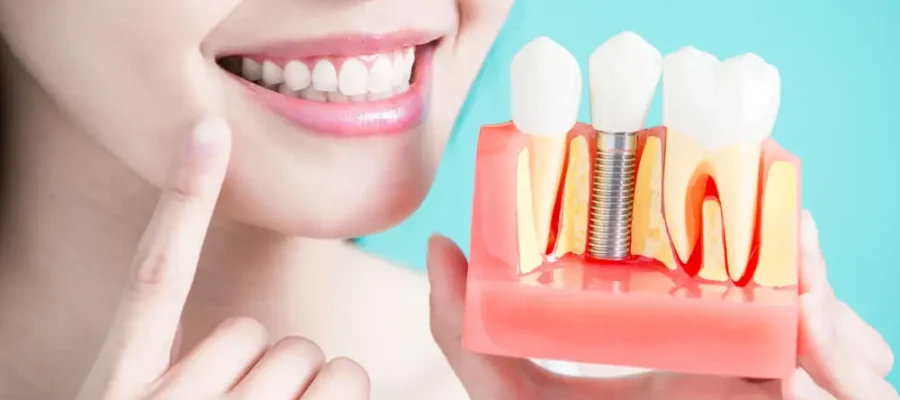
What Is a Dental Crown?
A dental crown is a custom‑made cap that completely covers a damaged or weakened tooth.
Dental crowns are designed to restore a tooth’s shape, strength, and function after decay, cracking, or large fillings. A crown can also improve appearance by matching the color and contour of surrounding teeth, making it a common solution in cosmetic dentistry. When natural teeth are worn down or after root canal therapy, placing a dental crown prevents further damage and helps maintain proper bite alignment. Crowns can be made from various materials such as porcelain, zirconium, or metal alloys depending on strength and aesthetic needs. Proper dental crown care includes regular brushing, flossing, and routine dental checkups for long‑lasting results.
Why Get Dental Crowns in Turkey?
Many people choose dental crowns in Turkey for high‑quality care combined with affordable prices compared to other countries.
Turkey has a strong reputation in international dental tourism, offering advanced dental crown treatments with experienced professionals and modern clinics. The cost savings typically include both the crown procedure and associated examinations, making it an attractive option for patients seeking value without compromising quality. Crowns placed in Turkey use durable materials such as porcelain or zirconium, and labs often provide precise, customized results. In addition to cost benefits, many clinics offer comprehensive patient support and streamlined scheduling. For those considering restorative or cosmetic crowns, Turkey is frequently recommended as a destination that balances expertise with competitive pricing.
Types of Dental Crowns Available in Turkey
There are several types of dental crowns available in Turkey to meet different clinical and aesthetic needs.
Porcelain crowns are popular for their natural appearance and ability to blend seamlessly with adjacent teeth, making them ideal for front teeth restoration. Zirconium crowns are known for strength and durability, especially for back teeth that endure higher chewing forces. Metal crowns, often made from gold or alloy, are less visible and provide excellent long‑lasting performance. Some crowns combine metal cores with porcelain overlays to balance strength and esthetics. The choice of material depends on factors like bite pressure, visibility, budget, and patient preference. A dentist in Turkey will recommend the best crown type after a thorough examination.
Zirconium vs. Porcelain vs. Metal Crowns: Which One to Choose?
Choosing between zirconium, porcelain, and metal crowns depends on priorities like durability, appearance, and location in the mouth.
Zirconium crowns are highly durable and resistant to fracture, making them ideal for both front and back teeth when strength and aesthetics are important. Porcelain crowns offer excellent natural color matching, which is why they’re often chosen for visible front teeth restorations, though they may be less durable under heavy chewing forces. Metal crowns, especially gold or metal alloys, are extremely strong and long‑lasting but less natural in appearance, so they are commonly used on molars. Each crown type has advantages: zirconium for balanced strength and esthetics, porcelain for appearance, and metal for maximum durability. A dentist can help determine the best option based on functional needs and visual goals.
Dental Crown Procedure Step by Step
A dental crown procedure typically involves tooth preparation, impression taking, and placing the final crown.
First, the dentist examines the tooth and removes decay or weak areas to shape it for the crown. Next, an impression or digital scan of the prepared tooth is taken to design a custom crown that matches your bite and adjacent teeth. A temporary dental crown is usually placed while the permanent crown is made in a lab. On your second visit, the permanent crown is checked for fit and color, then bonded securely over the prepared tooth. This step‑by‑step process restores strength, function, and appearance to a damaged tooth with long‑lasting results.
How Long Do Dental Crowns Last?
Well‑maintained dental crowns can last between 10 and 15 years, and often even longer.
The lifespan of a dental crown depends on the material used, oral hygiene habits, and chewing forces. Porcelain or zirconia crowns are known for durability and esthetics, lasting many years with regular brushing, flossing, and routine dental checkups. Avoiding hard foods and not using teeth as tools also helps extend crown life. Crowns may eventually require repair or replacement if they wear down or if the underlying tooth changes. With good care and professional maintenance, dental crowns provide reliable function and natural appearance for over a decade.
Temporary vs. Permanent Dental Crowns
Temporary dental crowns protect a prepared tooth until a permanent crown is custom fabricated.
A temporary crown is usually made from acrylic or composite materials and is placed right after tooth preparation. It shields the tooth and maintains bite and function while the lab creates the final crown. Temporary crowns are not as strong or precisely fitted as permanent ones and are meant for short‑term use. Permanent dental crowns, made of materials like porcelain, zirconia, or metal alloys, are designed to withstand daily chewing forces and match your natural teeth. Once ready, the temporary crown is removed and replaced with the stronger, long‑lasting permanent crown.
How to Care for Your Dental Crown After Treatment
Proper care after dental crown treatment ensures long life and prevents complications around the restored tooth.
After the crown is placed, maintain excellent oral hygiene by brushing twice daily and flossing gently around the crown margins to prevent plaque buildup. Avoid chewing very hard foods or ice directly on the crowned tooth to reduce stress on the restoration. Regular dental checkups help your dentist monitor the crown’s fit and surrounding gum health. If you notice sensitivity, discomfort, or loosening of the crown, contact your dentist promptly. With consistent care and professional visits, a dental crown can continue functioning effectively for many years.
Dental Crowns in Turkey Prices 2026
In Turkey, dental crowns cost between 1500 and 4000 USD per tooth in 2026, depending on the material used.
How much do dental crowns cost in Turkey?
On average, dental crowns in Turkey cost 150 to 400 dollars per tooth, depending on the crown type.
Metal-supported porcelain crowns are typically cheaper, while zirconia or full ceramic options cost more. These prices are still lower than in many European or American clinics. Quality materials and experienced dentists ensure reliable results. Some clinics offer packages including X-rays, consultation, and lab work. Keep in mind that extra procedures may increase costs. Patients often save up to 70% by getting dental crowns in Turkey. Researching reputable clinics is key for both savings and successful results.
Are crowns in Turkey safe and reliable?
Dental crowns done in Turkey are safe and reliable if performed at accredited clinics using certified materials.
Many Turkish dental centers follow international hygiene and treatment standards. Clinics often use CE or FDA-approved zirconia and ceramics. Experienced dentists with advanced equipment deliver consistent results. Patient safety depends on sterilization, correct crown fitting, and proper bite alignment. Before treatment, clinics typically assess oral health and provide tailored plans. Reviews and credentials of clinics help identify trustworthy options. With the right research, dental treatment in Turkey can be as dependable as in Western countries.
How long does it take to get a crown in Turkey?
Getting a dental crown in Turkey typically takes 3 to 7 days, depending on the case and materials.
The process begins with consultation and tooth preparation. Impressions are then sent to an in-house or external lab. Zirconia and porcelain crowns may need 2–3 days for production. Some clinics use CAD/CAM systems for same-day crowns. Complex cases or multiple crowns might require a longer stay. Patients should plan to remain in Turkey until final placement and adjustments are complete. Follow-up visits ensure crown fit and bite comfort. A week-long stay is often sufficient for most cases.
Can I get multiple crowns done in one visit?
Yes, it’s possible to get multiple dental crowns in a single visit, depending on the complexity and materials used.
Clinics often perform crown preparations in one session, especially when using CAD/CAM technology. This allows for quick digital impressions and same-day milling. For traditional lab-made crowns, the first visit involves shaping and impressions, followed by placement days later. Your dentist will evaluate bite alignment and gum health to determine suitability. The number of crowns done at once may also depend on the patient’s comfort during long procedures. Well-planned treatment enables multiple crowns in one trip, especially for international patients.
How do I choose the right clinic in Turkey?
To choose a reliable dental clinic in Turkey, check qualifications, reviews, certifications, and clinic hygiene standards.
Look for clinics with experienced dentists who use modern dental technology. Verify whether the materials are CE or FDA approved. Online patient reviews and before-after photos help evaluate satisfaction and results. Transparent communication, detailed treatment plans, and native or English-speaking staff ensure better understanding. Also, consider whether the clinic offers follow-up care and warranties. Clinics accredited by international dental associations often provide high standards. Comparing several clinics and asking detailed questions ensures safe and quality treatment abroad.
Do crowns require special care or maintenance?
Dental crowns do not need special care but require good oral hygiene and regular dental check-ups to last long.
Brushing twice daily with a soft-bristled toothbrush and using floss prevents decay around the crown margins. Avoid chewing hard items like ice or pens, which could damage the crown. Using a night guard helps protect crowns from grinding, especially for bruxism patients. Regular visits to your dentist help detect early signs of wear, loosening, or gum recession. Although crowns are durable, surrounding teeth and gums still need attention. Proper care extends crown lifespan and keeps your overall oral health stable.
Is it painful to get a dental crown?
Getting a dental crown is not painful due to local anesthesia, but mild sensitivity or discomfort may follow.
During the procedure, your dentist numbs the area, so you feel pressure but no pain. Afterward, you might experience tenderness in the gums or surrounding tissues. Temporary crowns can sometimes cause minor irritation, but this usually resolves quickly. Over-the-counter pain relievers help manage any mild discomfort. Permanent crowns are carefully adjusted for proper bite and fit to minimize sensitivity. If pain persists beyond a few days, follow-up with your dentist is recommended. Most patients return to normal activities the same day.