


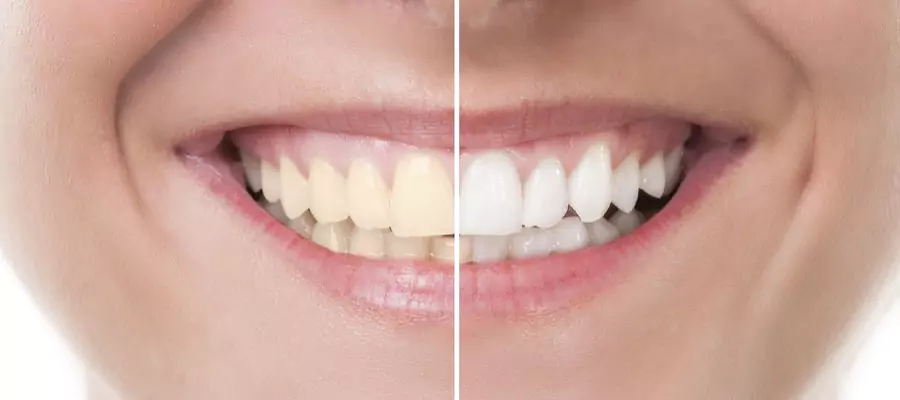
What Is Teeth Whitening?
Teeth whitening is a cosmetic dental procedure designed to lighten and remove stains from tooth surfaces.
This treatment aims to enhance the brightness of your smile by reducing discoloration caused by coffee, tea, tobacco, aging, or certain foods. Teeth whitening can be done professionally by a dentist or through at‑home kits prescribed by a dental professional, using bleaching agents like hydrogen peroxide or carbamide peroxide. The result is usually several shades lighter teeth that appear healthier and more vibrant. Regular dental checkups and good oral hygiene help maintain the effects longer, making whitening a popular choice for cosmetic smile improvement.
Why Choose Teeth Whitening in Turkey?
Many people choose teeth whitening in Turkey for professional results at a competitive cost compared to other countries.
Dental clinics in Turkey often provide advanced whitening techniques performed by trained dentists, combining quality care with affordability. These treatments can achieve faster, more noticeable results than over‑the‑counter products, especially when customized to your smile. Turkey’s dental tourism infrastructure also supports international patients with clear treatment plans and follow‑up care. Whether you want whiter teeth for special occasions or long‑term confidence, professional whitening can deliver consistent and reliable improvements safely under expert supervision.
Types of Teeth Whitening Treatments in Turkey
In Turkey, teeth whitening options include in‑clinic professional whitening, custom at‑home bleaching trays, and gentle maintenance treatments.
In‑clinic whitening uses stronger bleaching agents and often delivers significant shade improvements in a single session under dentist supervision. At‑home systems involve custom trays and professional‑grade gel you apply over several days, giving gradual but effective results. Some clinics also offer touch‑up or maintenance whitening to preserve brightness after the initial treatment. The choice depends on how quickly you want results, your sensitivity level, and lifestyle factors. A dental consultation helps determine the most suitable whitening approach for your needs.
In‑Clinic vs. At‑Home Teeth Whitening: Which Is Better?
In‑clinic whitening generally delivers faster, more dramatic results, while at‑home whitening offers gradual improvement at your convenience.
Professional in‑clinic whitening uses higher concentrations of bleaching agents under direct supervision, often yielding noticeably whiter teeth in a single visit. It’s ideal if you need quick results or have deeper stains. At‑home whitening, with dentist‑provided trays and gel, allows you to whiten teeth over several days or weeks, which may be gentler for sensitive teeth. Both methods use professional products that are more effective than store‑bought options. Your dentist will recommend the best choice based on staining level, sensitivity, and desired outcome.
How Does Laser Teeth Whitening Work?
Laser teeth whitening uses a special light to activate a bleaching agent on the tooth surface for accelerated stain removal.
During the procedure, the dentist applies a professional‑strength whitening gel to your teeth and then directs a laser or LED light at it. The light intensifies the bleaching action, breaking down stain molecules more quickly than conventional methods. This enhanced activation can lead to brighter teeth in a single session, making it a popular option for immediate cosmetic improvement. Some patients may experience mild sensitivity afterward, but overall the process is safe when performed by a qualified dental professional. Laser whitening is especially effective for deeper, stubborn stains.
Is Teeth Whitening Safe for Everyone?
Teeth whitening is generally safe but may not be suitable for everyone with specific dental conditions.
People with untreated cavities, gum disease, or extremely sensitive teeth should avoid whitening without dental consultation. While professional whitening is considered safe, individuals with restorations like crowns may not see uniform results. Pregnant women and minors are typically advised to postpone treatment. Temporary sensitivity and gum irritation are common but usually short-lived. Always consult a dentist to determine if whitening is appropriate for your oral health needs.
What to Expect Before and After Teeth Whitening
Before whitening, your teeth must be clean and free of decay or gum issues.
The dentist may recommend a cleaning to remove surface debris. During the session, a bleaching gel is applied and activated with a light source if needed. Results can be seen immediately after treatment. After whitening, avoid stain-causing foods like coffee or red wine for at least 48 hours. Some sensitivity may occur but typically resolves within a few days. Proper oral hygiene helps maintain the results longer.
Teeth Whitening Turkey Prices 2026
In Turkey, professional teeth whitening in 2026 typically costs between $1500 and $5000 per session.
Frequently Asked Questions
How long do the results last?
Teeth whitening results typically last 6 months to 2 years with proper care after treatment.
The longevity of your brighter smile depends on lifestyle habits like consuming staining foods or drinks and smoking. Regular brushing and flossing help maintain the shade achieved during professional whitening. Touch‑up treatments may be needed periodically, especially if you enjoy coffee, wine, tea, or berries that can re‑stain enamel over time. Using at‑home maintenance kits provided by your dentist can also help prolong results. Routine dental cleanings and good oral hygiene maximize how long your whitening effects last and support overall oral health.
What foods or drinks should I avoid after whitening?
After teeth whitening, you should avoid dark or stain‑causing foods and drinks for at least 48 hours.
These include coffee, black tea, red wine, cola, soy sauce, and dark berries, which can quickly re‑deposit pigments on freshly whitened enamel. Acidic beverages like citrus juices and sports drinks may increase sensitivity and make teeth more prone to staining soon after treatment. Smoking or using tobacco products also significantly contributes to discoloration. To maintain your results longer, drink stained beverages through a straw and rinse your mouth with water afterward. Good oral hygiene and mindful diet choices help sustain a brighter smile.
Can I get teeth whitening if I have sensitive teeth?
Yes, you can get teeth whitening with sensitive teeth, but you may need a gentler approach.
Dentists often offer sensitivity‑friendly whitening options or lower‑strength gels tailored for those prone to discomfort. Pre‑treatment with desensitizing toothpaste or a fluoride application can also help minimize sensitivity during and after the process. In‑office treatments under professional supervision allow careful monitoring and adjustments to reduce discomfort. Some patients prefer gradual at‑home whitening with custom trays to control sensitivity at their own pace. Always discuss your sensitivity history with your dentist so they can recommend the safest, most comfortable whitening plan for your needs.
Do Turkish clinics use FDA‑approved materials?
Many reputable Turkish dental clinics use internationally recognized whitening materials that meet strict safety standards.
While the FDA (U.S. Food and Drug Administration) approval is specific to products approved for use in the United States, quality dental materials used in Turkey often carry CE marks or other international certifications indicating safety and efficacy. Dentists in modern Turkish clinics typically select whitening agents from trusted global manufacturers that comply with high regulatory standards. Before treatment, ask your dentist about the specific products and certifications of the gels and technology they use. Ensuring that materials meet established safety benchmarks is an important part of responsible cosmetic dental care.
Can I combine teeth whitening with other dental treatments during my trip?
Yes, you can combine teeth whitening with other dental treatments during your visit with careful planning.
Many patients coordinate whitening alongside procedures like fillings, crowns, veneers, or routine cleanings to make efficient use of their time! When treatments are scheduled properly, your dentist can sequence them so that whitening enhances the final aesthetic outcome—especially before placing restorations that match your new tooth color. Combining services may require a slightly longer stay, so discuss your goals and timeline during your consultation. This coordinated approach helps you leave with both improved oral health and a brighter, more confident smile.