


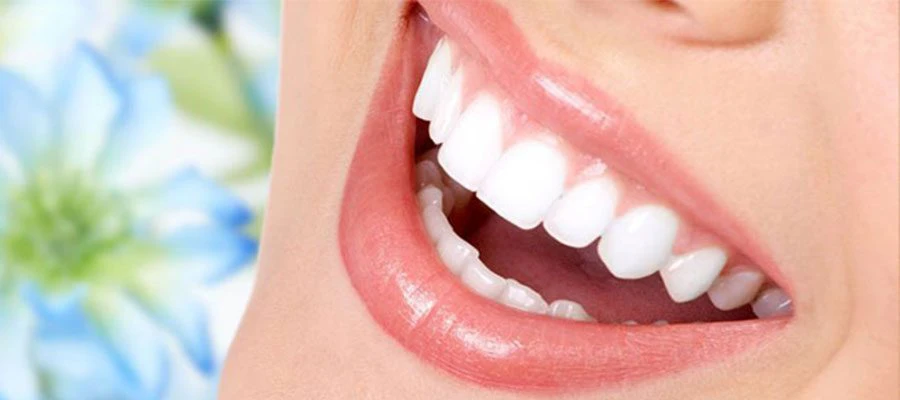
What Are Porcelain Veneers?
Porcelain veneers are thin, custom-made shells that cover the front surface of teeth for cosmetic improvement.
These veneers are crafted from durable dental porcelain and are bonded to the tooth to improve color, shape, or alignment. They’re ideal for correcting discoloration, chips, gaps, or minor misalignments without extensive procedures. Because porcelain closely mimics natural tooth enamel, the results look realistic and aesthetically pleasing. Porcelain veneers are stain-resistant and long-lasting when properly maintained. The procedure is minimally invasive and typically completed within two dental visits, offering a fast and effective smile transformation.
Why Get Porcelain Veneers in Turkey?
Patients choose porcelain veneers in Turkey for affordable prices and high-quality aesthetic dental treatments.
Turkish dental clinics are known for experienced cosmetic dentists and modern facilities offering international standards of care. Compared to many Western countries, porcelain veneer treatments are significantly more cost-effective in Turkey, without compromising quality. Most clinics use top-grade materials and advanced technology, ensuring precise results and long-lasting veneers. English-speaking staff and streamlined treatment plans also make Turkey a convenient destination for dental tourism. Many patients combine their procedure with a relaxing holiday, enhancing the overall experience.
Porcelain Veneers Procedure Step by Step
The porcelain veneer procedure involves consultation, tooth preparation, impression-taking, and final bonding of the veneers.
First, your dentist evaluates your dental needs and cosmetic goals. Next, a small amount of enamel is removed to make room for the veneers. An impression of your teeth is taken and sent to a dental lab, where custom porcelain shells are created. While waiting, temporary veneers may be placed. In the final visit, the veneers are carefully fitted and permanently bonded. The process usually requires two appointments over one to two weeks, depending on the clinic and lab schedule.
Benefits of Porcelain Veneers for Your Smile
Porcelain veneers offer natural aesthetics, durability, and stain resistance to dramatically improve your smile’s appearance.
These restorations can correct a range of cosmetic issues, including chipped teeth, discoloration, uneven spacing, or worn enamel. Because porcelain closely resembles natural enamel in color and translucency, the final result blends seamlessly with surrounding teeth. Veneers are strong and last for many years with proper care. They provide a confidence boost by enhancing the harmony and brightness of your smile. Additionally, porcelain’s smooth surface helps resist staining from coffee, tea, or wine better than natural teeth.
How Long Do Porcelain Veneers Last?
Porcelain veneers typically last between 10 and 15 years with good oral hygiene and regular dental checkups.
Their durability depends on factors like dental habits, bite force, and how well you care for them. Avoiding hard foods, nail-biting, or teeth grinding can significantly extend their lifespan. Daily brushing, flossing, and routine professional cleanings help prevent gum disease or decay around the veneers. In some cases, high-quality veneers may last even longer than 15 years without discoloration or damage. If a veneer does become loose or chipped, it can usually be replaced individually without affecting the rest.
Who Is a Good Candidate for Porcelain Veneers?
Candidates for porcelain veneers generally have healthy teeth with cosmetic concerns like discoloration, chips, or mild misalignment.
They should have strong enamel, no active gum disease, and realistic expectations about the outcome. Veneers are ideal for people seeking a permanent cosmetic solution to enhance their smile’s shape, color, or symmetry. Those who clench or grind their teeth may require a night guard to protect veneers from damage. A dental evaluation is essential to determine suitability, as severely misaligned or weakened teeth may need alternative treatments like crowns or orthodontics.
What to Expect Before and After Veneer Treatment
Before getting veneers, you’ll undergo dental evaluation, while after treatment, your smile appears natural and improved.
The process begins with a consultation to discuss goals, take impressions, and prepare your teeth. Temporary veneers might be placed while waiting for your permanent ones from the lab. After bonding the final veneers, you may experience slight sensitivity, which typically fades within days. Post-treatment, maintaining good oral hygiene and avoiding excessive force on your veneers helps ensure longevity. Most patients report a confidence boost and satisfaction with their more even, brighter smile.
Porcelain Veneer Turkey Prices 2026
In 2026, porcelain veneers in Turkey cost between $200 and $400 per tooth, depending on clinic and material quality.
How many veneers do I need for a full smile makeover?
A full smile makeover typically requires 8 to 10 veneers on the upper front teeth for best aesthetic results.
These veneers cover the most visible area when smiling and talking, usually from canine to canine or extending to premolars. The exact number depends on your smile width, alignment, and cosmetic goals. Some patients may also include lower teeth for a balanced look. During consultation, a dentist will assess tooth shape, gum line, and visibility to recommend the optimal count. A personalized smile design ensures the veneers harmonize with facial features for a natural and symmetrical appearance.
What’s the difference between E-max and traditional porcelain veneers?
E-max veneers are thinner and more translucent than traditional porcelain, offering superior aesthetics and minimal tooth preparation.
Both types aim to enhance smile appearance, but E-max, made from lithium disilicate ceramic, provides a more natural finish. Traditional porcelain is often slightly thicker and may require more enamel removal. E-max is also durable and resistant to chipping, making it ideal for front teeth. Traditional porcelain may be chosen for broader coverage or specific bite needs. The choice depends on individual dental conditions, cosmetic expectations, and the dentist’s recommendation during evaluation.
Can I eat normally with porcelain veneers?
Yes, you can eat most foods normally with porcelain veneers after they are securely bonded and fully set.
These restorations are strong and function like natural teeth, allowing you to enjoy a regular diet. However, it’s best to avoid biting very hard items like ice, bones, or opening packages with your teeth. Sticky or chewy foods should be consumed with care to prevent stress on the veneers. Good oral hygiene, regular checkups, and avoiding habits like grinding will help maintain their condition and functionality over time without dietary limitations.
Are there any risks or side effects of veneers?
Veneers have minimal risks, but possible side effects include sensitivity, gum irritation, or veneer damage if misused.
Tooth enamel removal is required for placement, which makes the procedure irreversible. Some people may experience temporary sensitivity to hot or cold, especially shortly after bonding. Poor fit or improper care could lead to decay around the veneer or gum inflammation. Rarely, veneers may loosen or chip from excessive force. Choosing a skilled dentist and following post-treatment instructions significantly reduces these risks and ensures long-term success and comfort.
Do Turkish dentists speak English and offer aftercare?
Most Turkish dentists catering to international patients speak fluent English and provide comprehensive aftercare services.
Major clinics in cities like Istanbul and Antalya employ English-speaking staff and coordinators for smooth communication. Aftercare may include follow-up visits, written instructions, and remote support via phone or email. Patients receive guidance on hygiene practices, veneer maintenance, and what to do if issues arise post-treatment. Many clinics also collaborate with local or international dentists for long-term care. This patient-centered approach ensures continued support even after returning home.